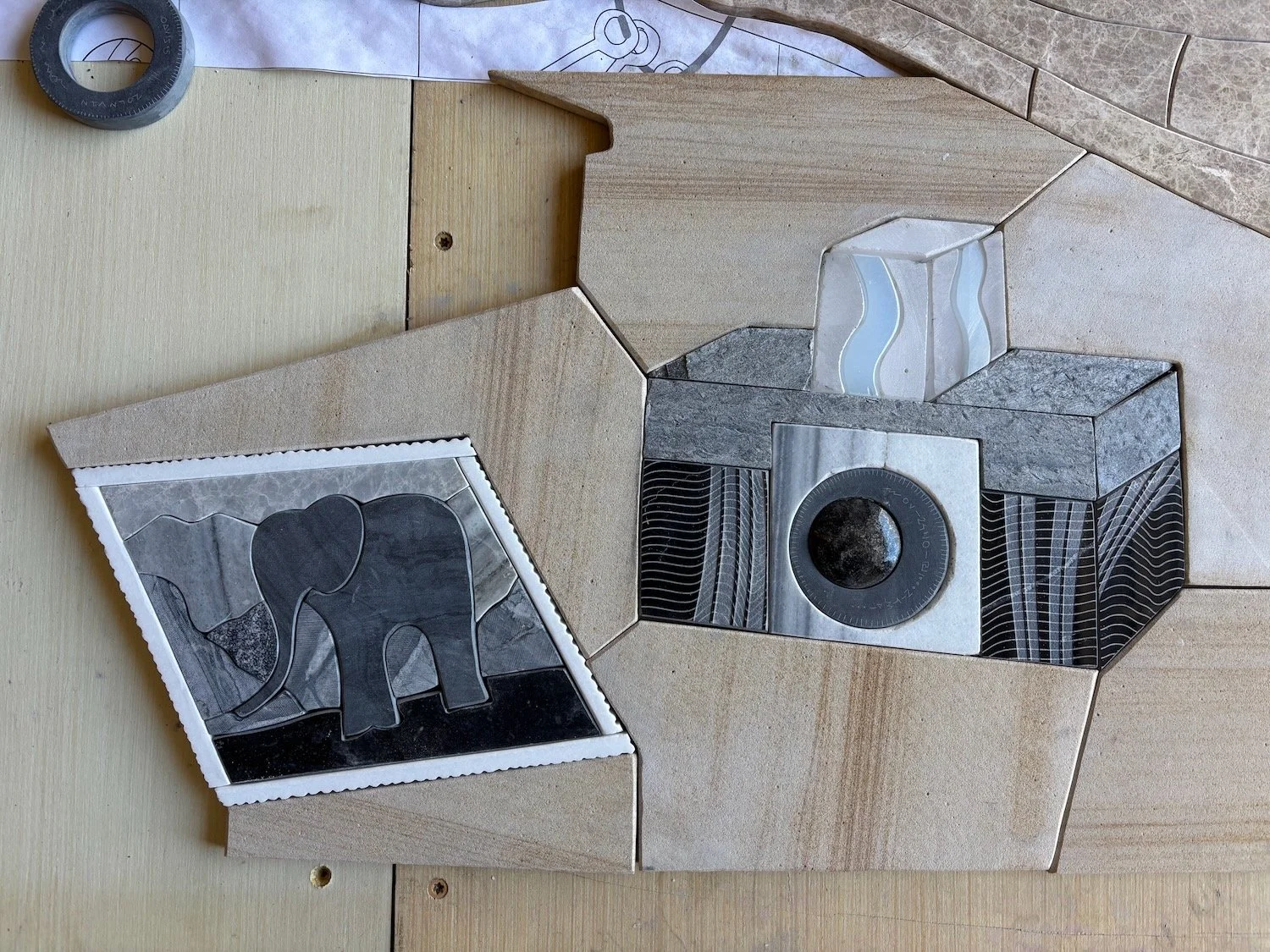
Mnemosyne
Mother of the Muses
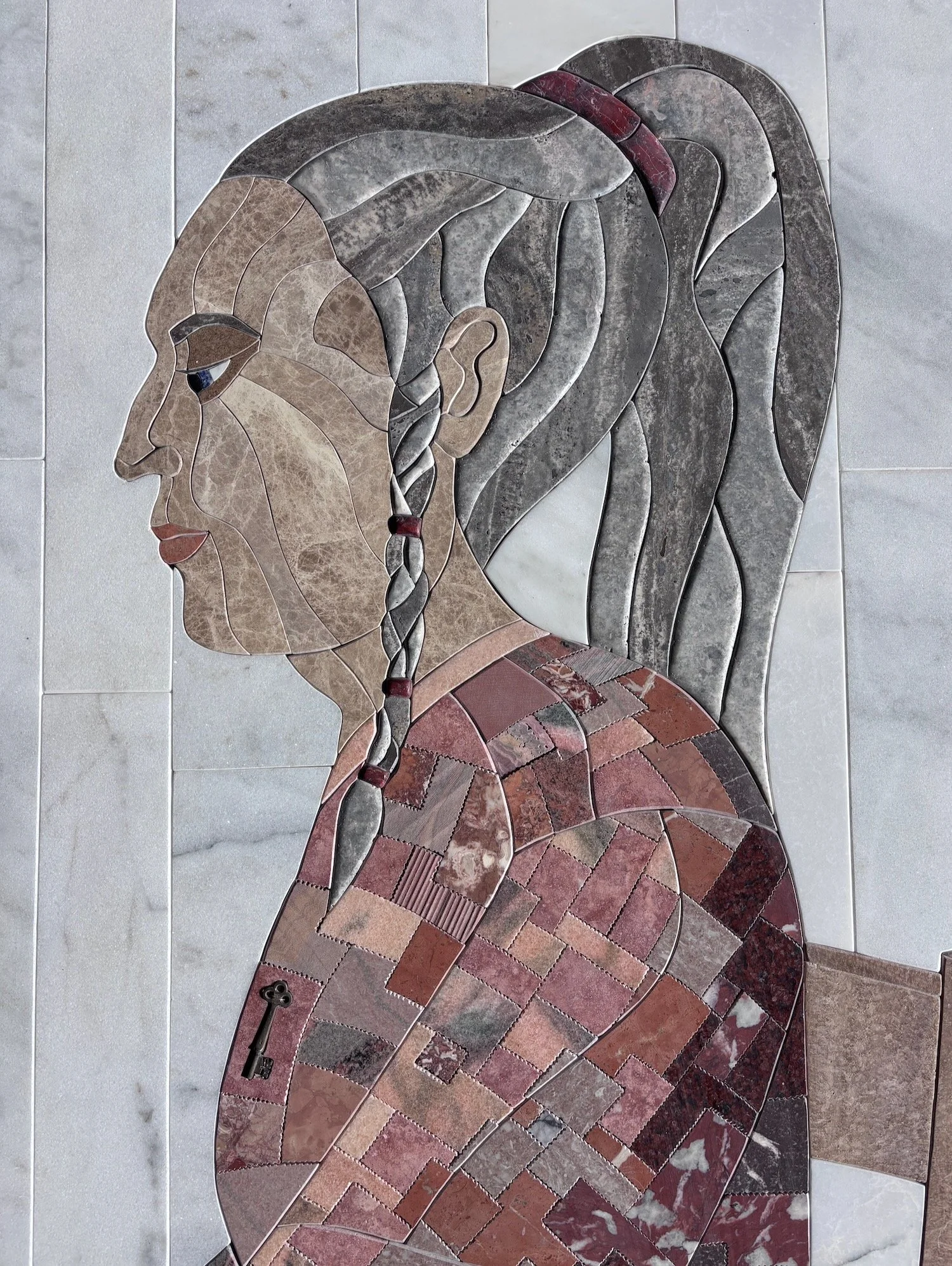
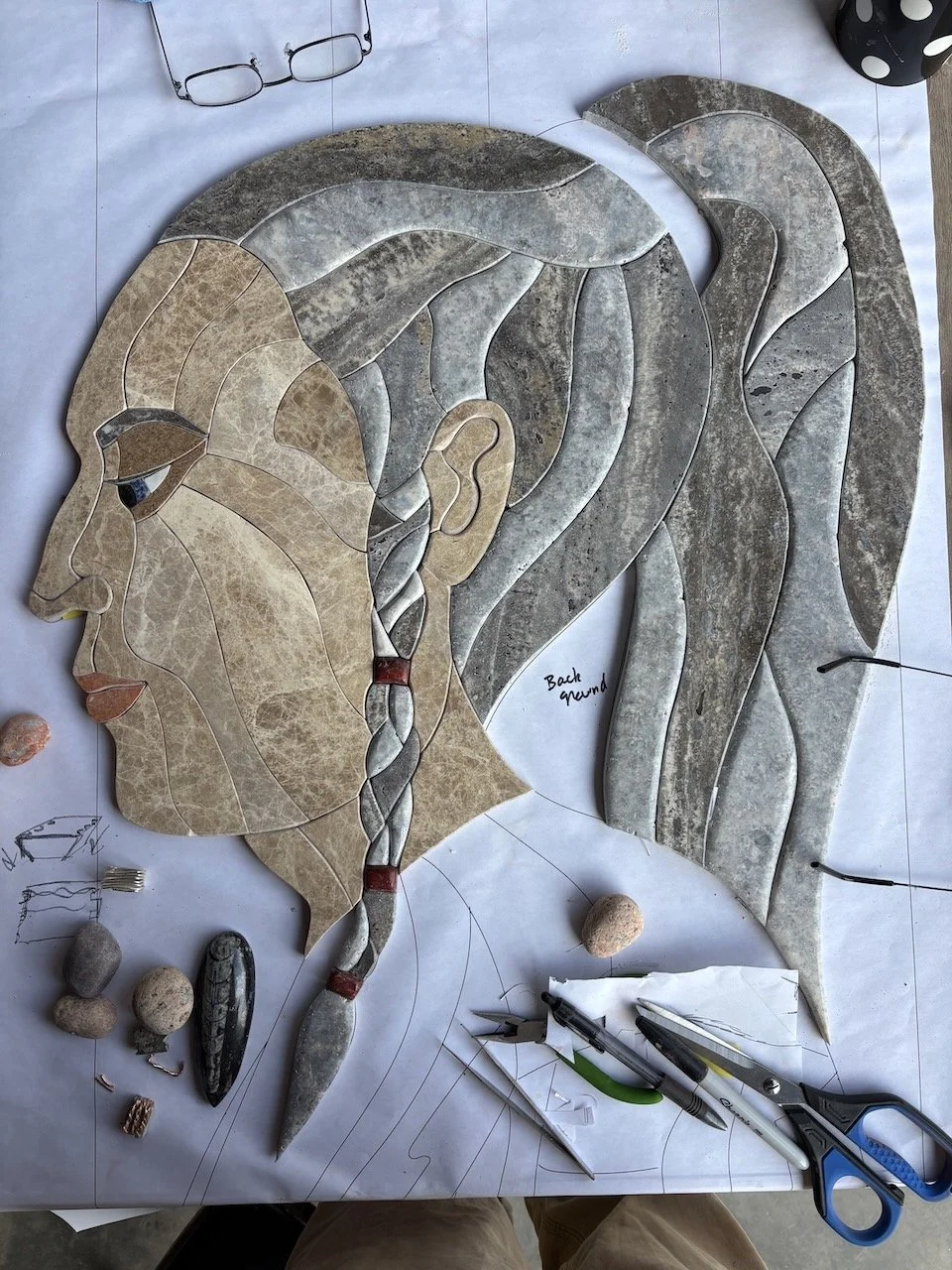
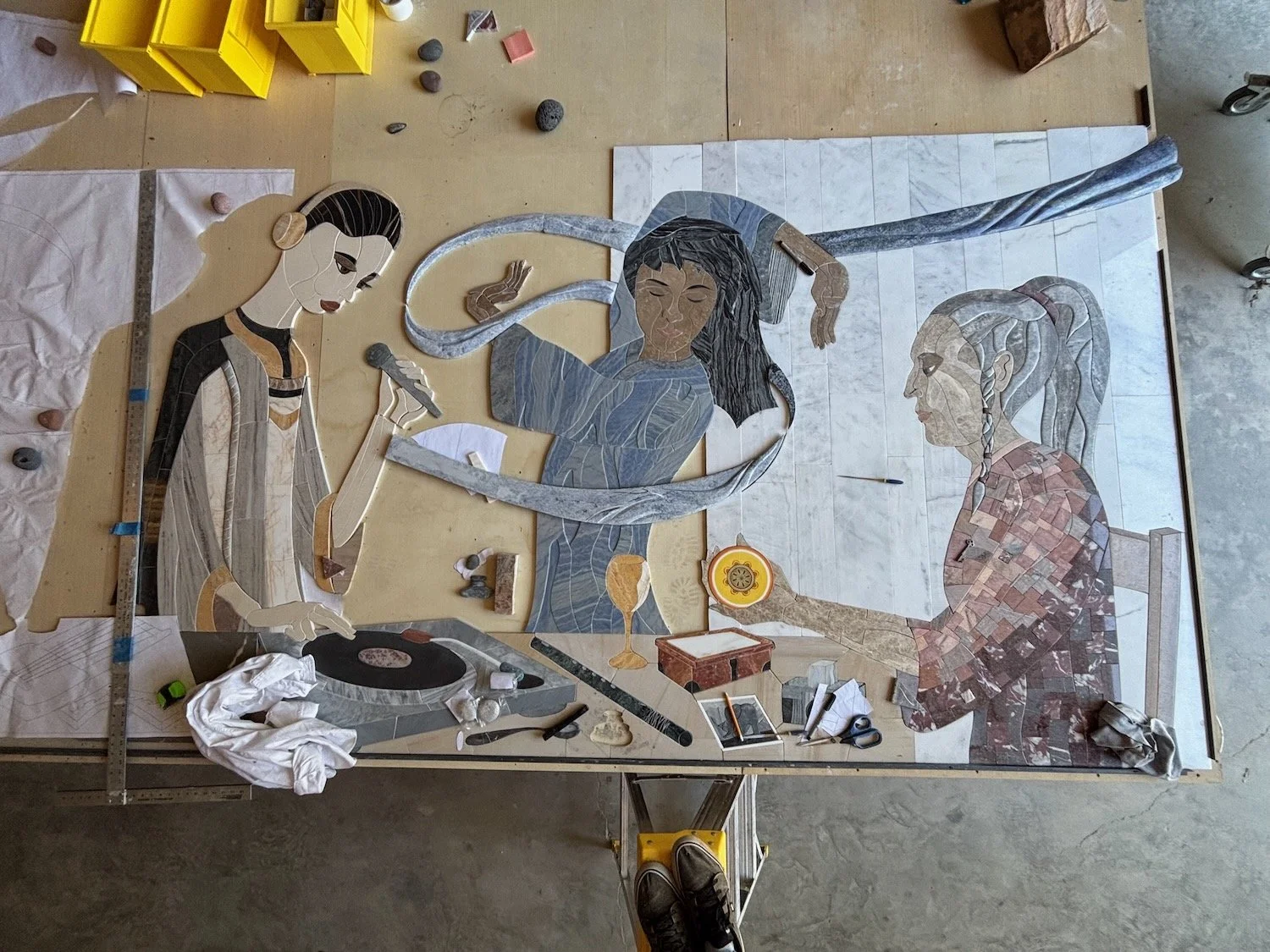
Mnemosyne is the Goddess of Memory and the Mother of the Muses
She sometimes jokes that she’s really the goddess of forgetting. Mnemosyne is forgetful herself, often misplacing her keys or phone. She calls all of her kids “Sweetness” because she often forgets their names.
Mnemosyne is not a historian; she leaves that to Clio. She doesn’t care about the content of the catalog, she cares about the quality of the images. She’s not concerned with what you remember, but how.
Mnemosyne is the hook in the song that catches in your ear. She’s the turn of phrase in a poem that you still recall. She doesn’t care if you like the poem or even understand it. To Mnemosyne the essence is not what we hold, but how we hold it. She is the smell of a grandmother’s kitchen, the tint and hue of the photographs taken when we were children. Her domain is not accuracy, just persistence.
Memory occupies the mind- thoughts and feelings. But memory belongs to the body. It is in the muscles, how fingers can find a song on the piano years after it was last played. No one forgets how to make a jump shot. Memory is aches and pains, and the geography of scars. It is tan lines, and freckles, tattoos and old concert T-shirts.
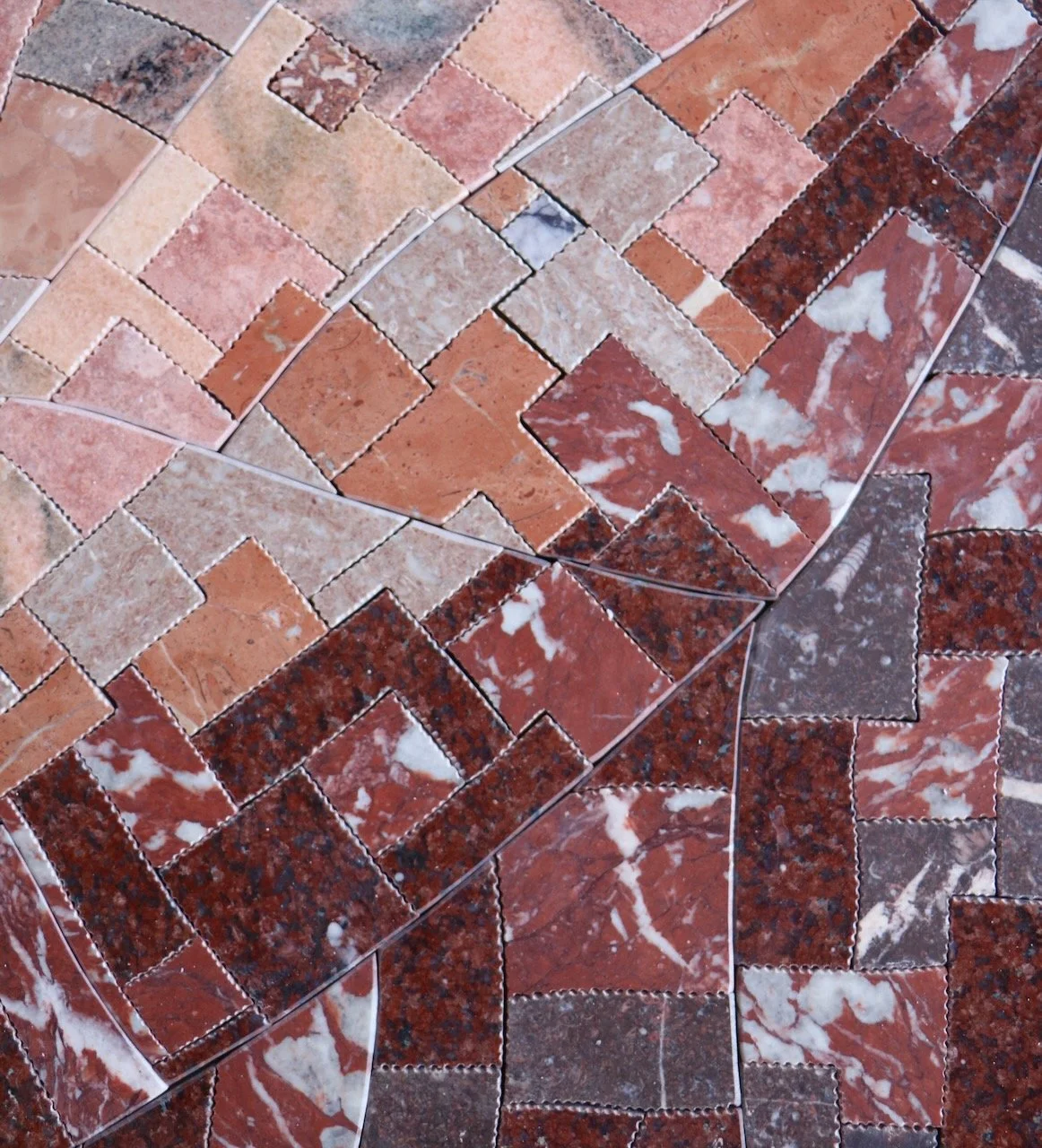
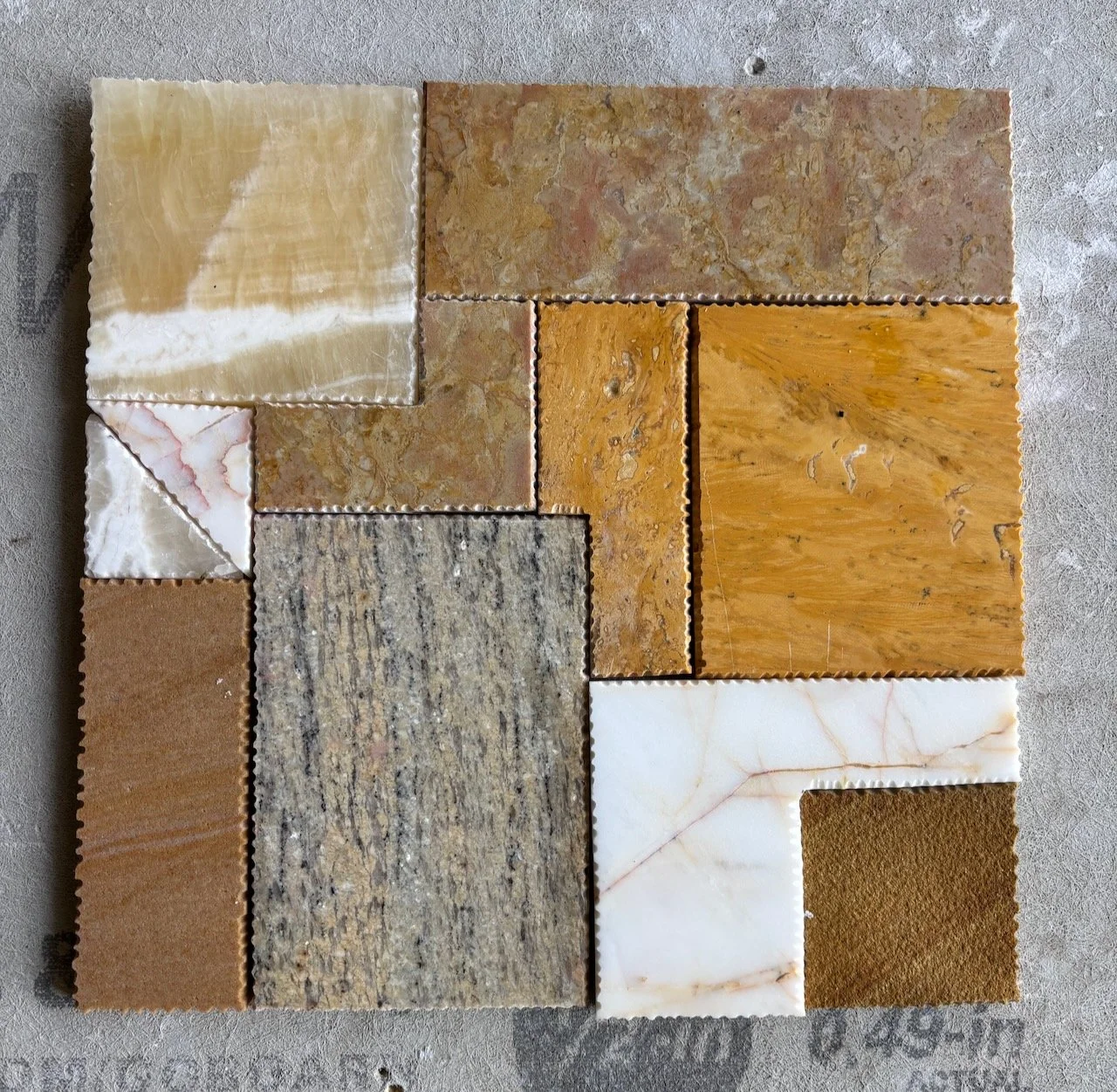
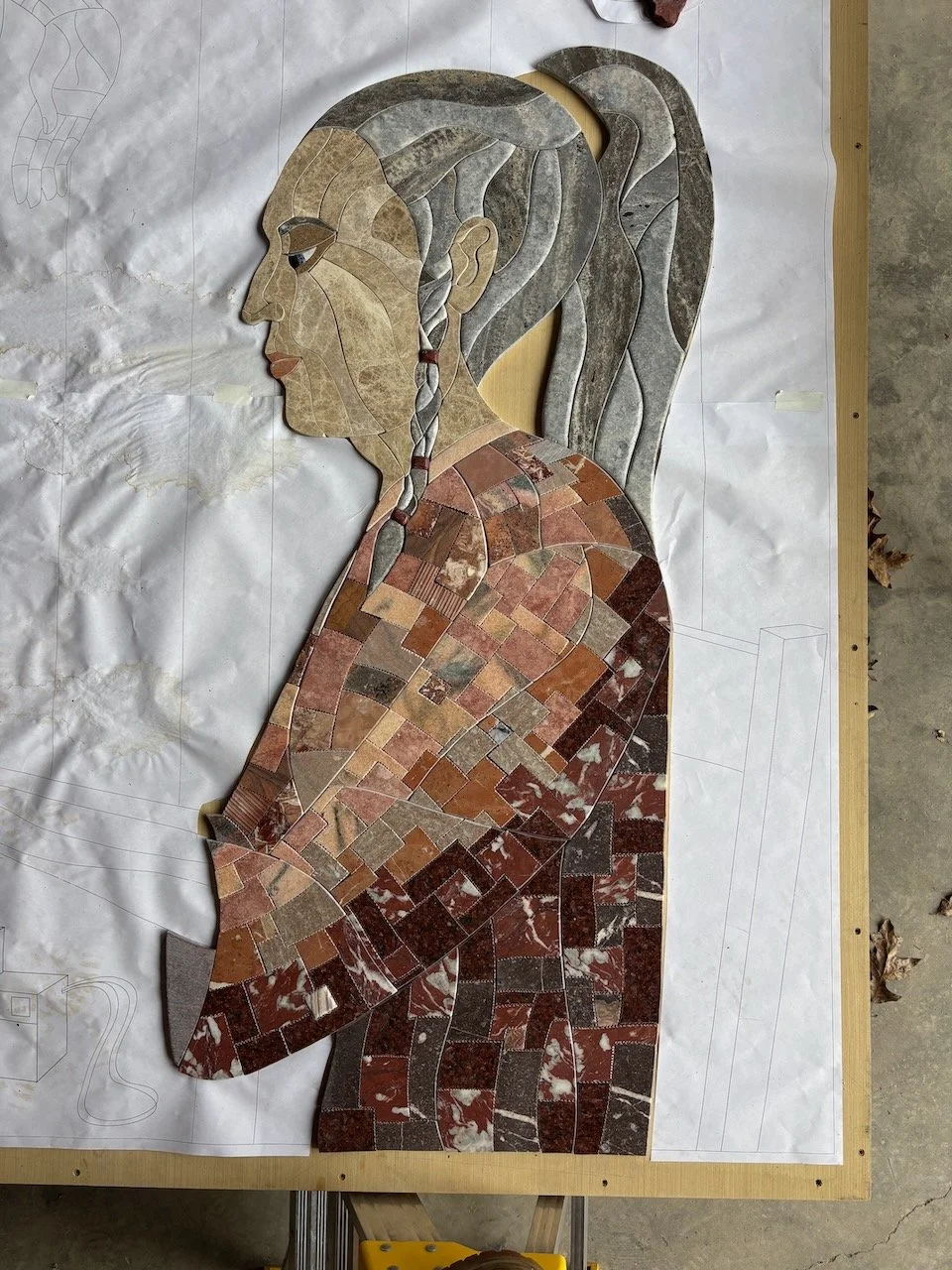
Mnemosyne dresses in almost-rags, a patchwork of ribbons and fabrics, a quilt of her own history. She has nine kids; she doesn’t have the time or money for finery. She prefers this anyway. New clothes lack character. Worn out jeans have stories to tell.
Mnemosyne worries about the future. Memory used to be expensive. It requires synapse and protein and kilocalories of fruit and wheat to build and maintain. This forces selection, allows decay. Memory offers growth. It guides and motivates. It teaches.
Memory is still expensive. Electricity’s cost is coal and soot and choked out rivers. Since that is largely invisible to us, we don’t feel any pressure to conserve, to edit. On hard drives and CDs, in clouds and phones, we save it all. We are blessed with abundance, which offers comfort, and distraction. But we are slowly being buried in the present. We’re giving away the soft edges of memory for the sharp detail of immediacy.
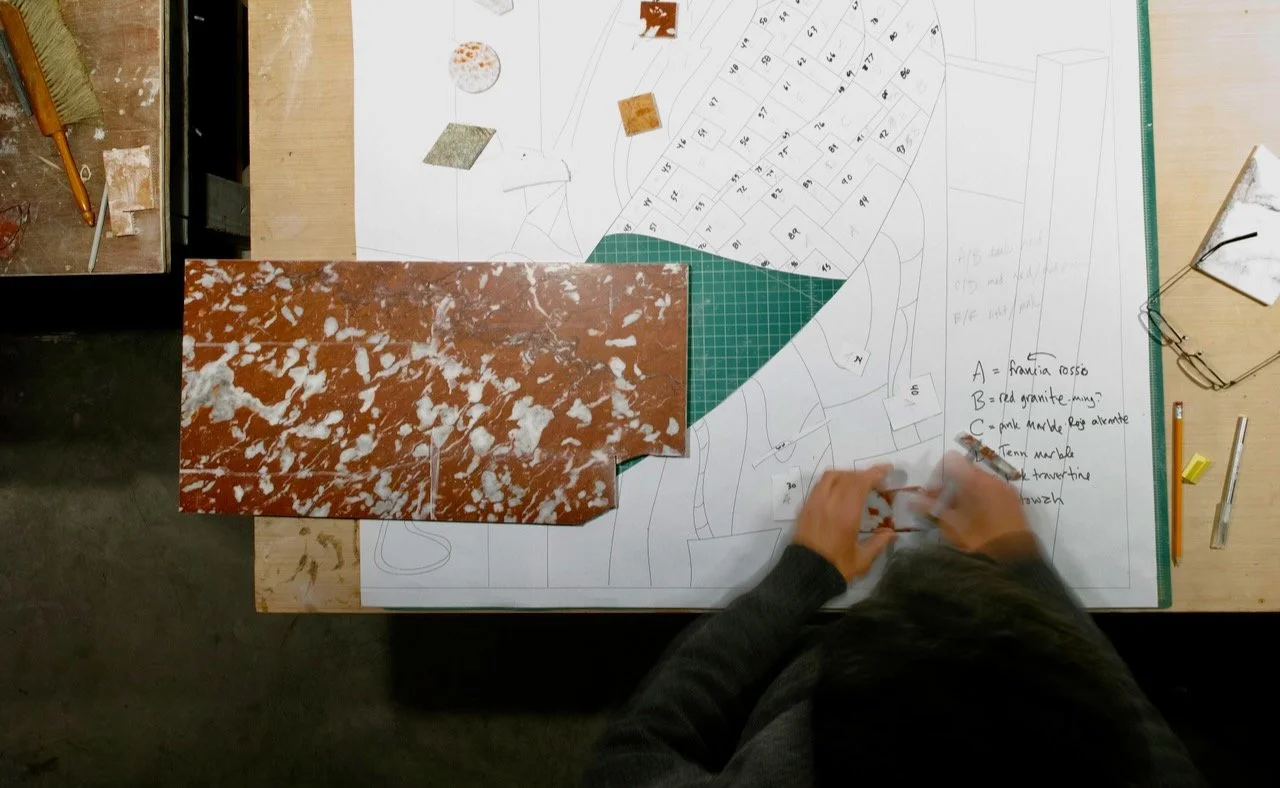
There is no grace amongst the perfect replicas. We find sweetness in the assembly of the fragments.